360-icon download left-arrow left-doublearrow nav-dot pdf-icon rss-icon search-icon spot-icon subnavi-icon close-icon info-icon

Working Capital vs. Equipment Financing

Cash in the account feels like freedom until the job site drains it. A lot of operators who could finance a truck instead write a check for it, then spend the next eight months scrambling for fuel money, payroll, and the next set of tires. The truck is paid off but the business is cash-poor, and cash-poor businesses lose bids they should win.

Equipment financing and working capital are not competing products. They solve different problems, and mixing them up is one of the more expensive mistakes in this industry. This page lays out when each one belongs in the deal and how to think about the trade-off on a water truck purchase specifically.

What Equipment Financing Does

Equipment financing, whether a loan, a lease, or a $1 buyout lease, uses the truck itself as the primary collateral. The lender funds the purchase price of the chassis and tank body, you make monthly payments over a defined term, and the iron secures the debt. The key result: you deploy capital into a revenue-generating asset without depleting your operating account.

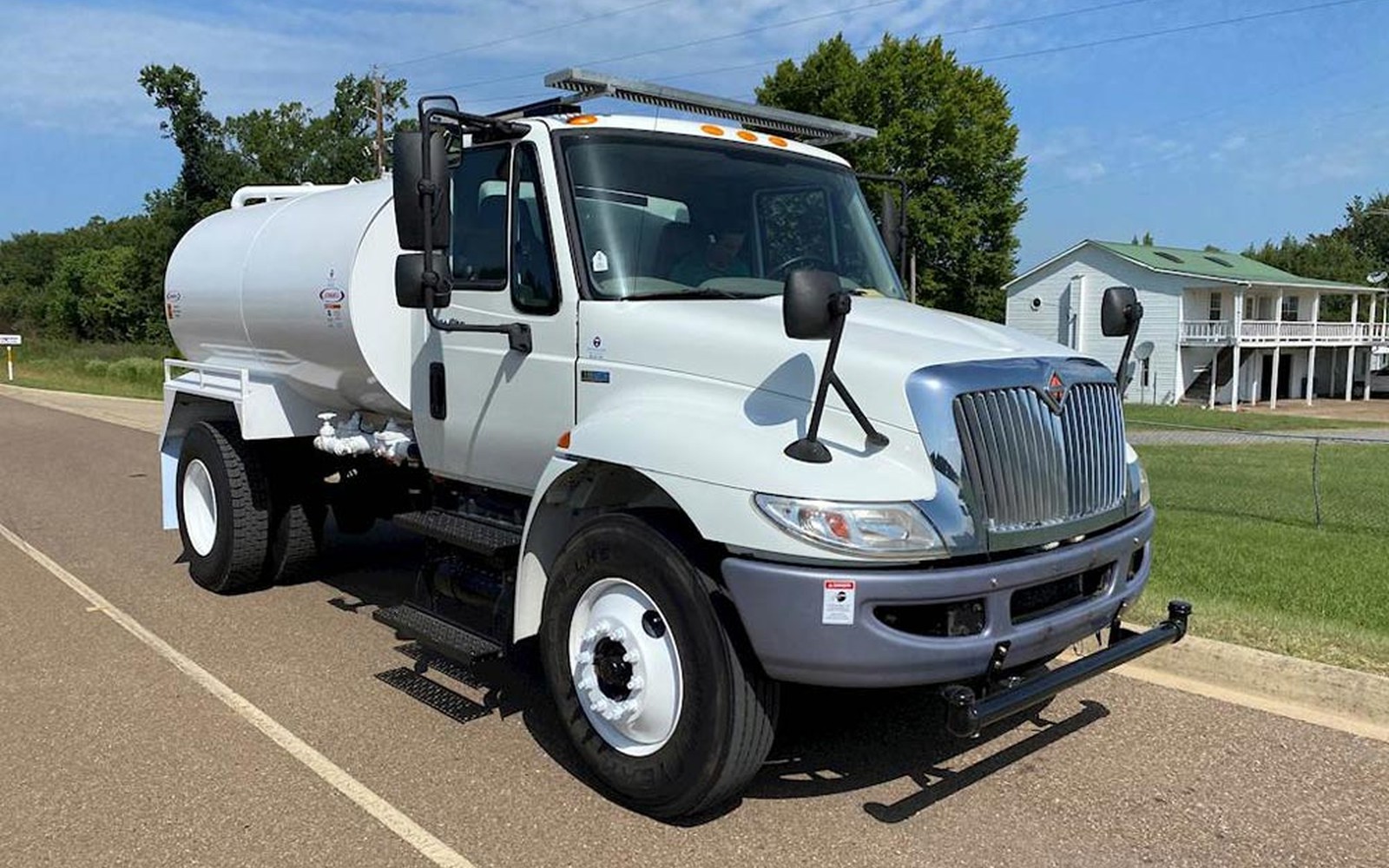
This matters a lot on job sites where a dust control water truck is billing from day one. The truck earns money each month. If you structured the deal correctly, the monthly payment is a fraction of what the truck generates, and the spread between revenue and debt service is your actual cash flow. You never had to write the check for the full truck price, so the rest of your cash stayed available for the things that keep the business moving.

Equipment financing also protects you from tying up revolving credit lines. If your bank gives you a $200,000 line of credit and you burn it on a tanker, that line is gone for every other purpose. Finance the truck separately and the line stays open for payroll peaks, insurance deposits, and other short-term needs. That flexibility has real value even if you never touch it.

What Working Capital Is Actually For

Working capital, whether it comes from a line of credit, a short-term business loan, or cash reserves, is meant to cover operational gaps: the 30 to 60 days between completing a job and getting paid, a surprise repair on the tanker your driver just called in, a fuel bill that hit before the invoice did. It is liquid by design and short-duration by nature.

Using working capital to purchase heavy equipment is usually the wrong call. Trucks have useful lives measured in years, and the payment schedule on most working-capital products, short terms and higher rates, does not match that horizon well. You end up making large monthly payments on a short-term product to acquire a long-lived asset, which squeezes the exact cash flow you were trying to protect.

There are situations where it makes sense: a very small tanker purchase, a gap-fill when equipment financing closes slower than the seller's deadline, or a situation where the operator genuinely has no need for revolving liquidity. But as a default approach to buying a construction water truck or a purpose-built oilfield water truck, working capital is usually the expensive way to do it.

Which Operators Get This Decision Right

The contractors who manage this well think about it the same way any equipment-intensive business should: long-duration assets get long-duration financing, short-duration needs get short-duration capital. You do not finance a box of bolts and you do not write a check for a 5,000-gallon tanker if you can get a 60-month payment that is covered by one job per week.

Operators working road construction projects with multi-year contracts particularly benefit from equipment financing because the revenue stream is predictable and the truck is committed to that contract for its duration. The payment is baked into the project's cost structure and the working capital stays liquid for mobilization costs, subcontractor payments, and other operational demands.

Smaller owner-operators, say a single-truck crew doing dust control on private properties, sometimes prefer to buy used trucks outright if they have the cash and want to eliminate debt service entirely. That is a legitimate choice when the truck price is modest and the operator's other capital needs are minimal. But as the truck price climbs above $100,000, the case for equipment financing gets stronger because the opportunity cost of tying up that cash gets larger.

What We Need to Get You Funded

Our equipment financing is application-only up to approximately $400,000, meaning we work off recent business statements and a completed credit application. Tax-package review is not usually needed for smaller files, and the review stays focused on the truck, revenue, and seller paperwork. We look at your actual cash flow, the truck's value, and your business's overall picture.

B and C credit is fine. If your file has some history in it, we still get most operators funded. The rate and term may adjust, but the door is not closed. For operators who want to preserve working capital rather than deplete it on a truck purchase, that is exactly the right call, and equipment financing structured around your actual cash flow is the tool for it.

If you already have a truck and need cash for operations, a sale-leaseback or a cash-out refinance pulls equity out of the iron without selling it, giving you working capital against an asset you already own. That is a separate conversation but one worth having if your truck is paid off or nearly so and the business needs cash.

Let Us Structure the Right Deal for Your Situation

Send us the truck details and three months of bank statements. We will look at what your cash flow supports and put together an equipment financing structure that keeps your operating capital where it belongs: in your account, not tied up in iron. Funded in about two weeks, B and C credit welcome.

Price this water truck package

Equipment Desk Q&A

Questions About Working Capital vs. Equipment Financing

Open a question for a direct answer about the equipment, seller paperwork, timing, and financing structure.

01If I have the cash to buy the truck outright, should I still finance it?+

Often yes. If your cash generates value sitting in the business, paying for fuel, payroll, repairs, and bid bonds, then deploying it into a truck that earns a fraction of its value per month is a net loss in liquidity. Finance the truck at a payment the job covers and keep the cash working. The answer depends on your specific situation, but most active contractors benefit from equipment financing even when they could write the check.

02Can I use a line of credit as a bridge while the equipment financing closes?+

Yes. If a truck deal requires a fast close and your equipment financing is still processing, a short draw on a line of credit to hold the purchase makes sense, provided you pay it off when the equipment financing funds. That is exactly the right use of working capital: a short-duration bridge, not a long-term acquisition vehicle.

03Does financing the truck instead of paying cash affect my ability to get other loans later?+

Equipment financing typically appears as long-term debt on your balance sheet, which affects debt-to-income ratios. However, for most operators the practical impact is minimal because the truck also appears as an asset. A well-structured equipment loan usually does not close off access to other credit; what matters is whether the monthly payment is comfortably covered by revenue.

04Can I refinance a truck I bought with cash to pull money back out for operations?+

Yes, that is a cash-out refinance. If you paid cash for a truck and later need liquidity, we can put a loan on the truck based on its current market value. It converts a free-and-clear asset into operating cash without requiring you to sell the truck.

Water Truck Finance Desk

Review Working Capital vs. Equipment Financing With a Specialist

Send the truck, tank capacity, seller quote, price, timeline, and intended work. We will organize the equipment package and come back with the clearest next step.

Financing Options$1 Buyout LeaseEquipment LeaseEquipment LoanWater TrucksWater Truck FinancingArticulated Water TrucksWater Tanker TrucksBrandsMega CorpKleinAmthor InternationalIndustriesSurface MiningRoad ConstructionDust Control ServicesService AreasCasper, WYGillette, WYWilliston, NDContact(602) 497-1191